

Ozempic, Weight Loss, and the Fitness Revolution Nobody Saw Coming
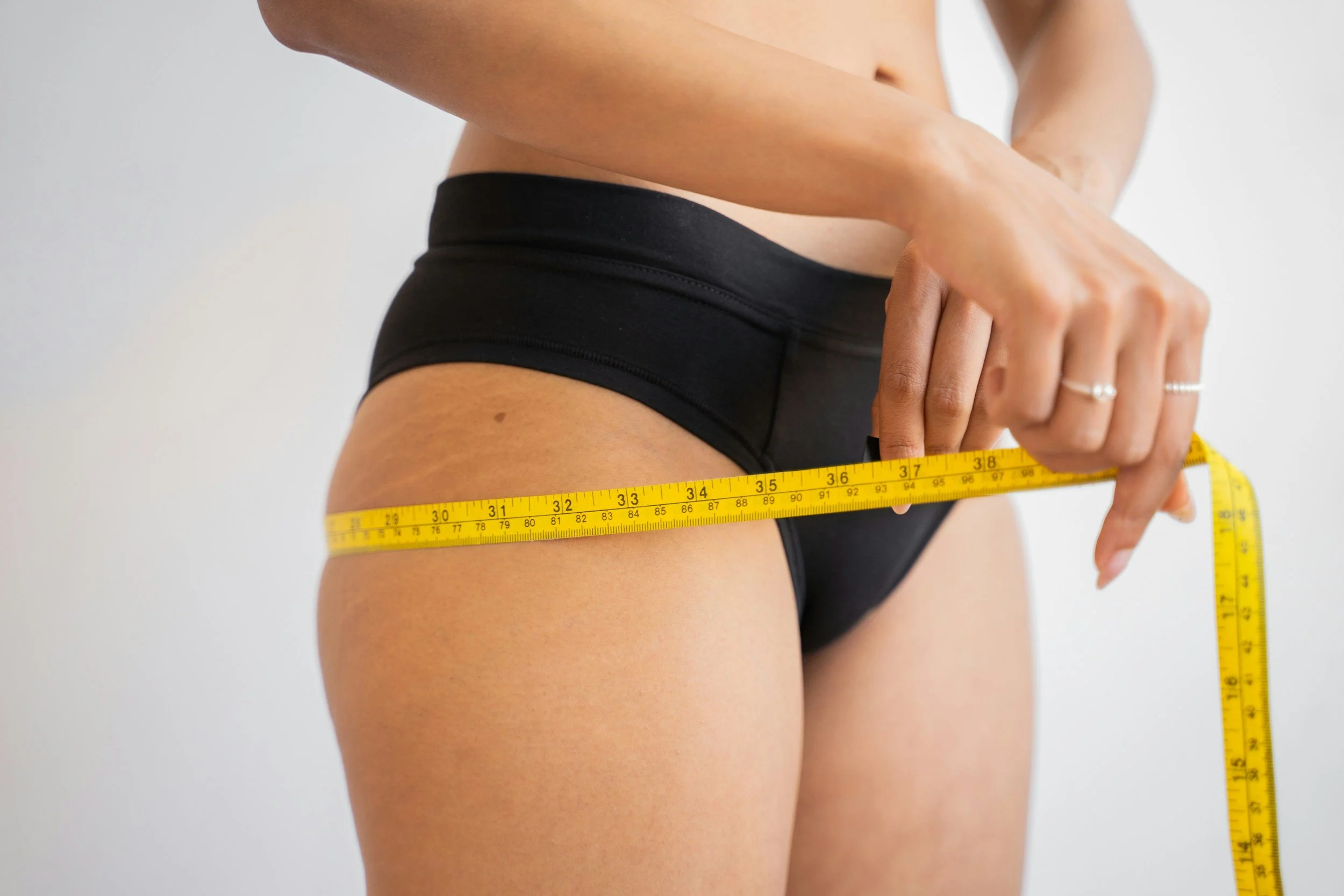
A few years ago, the hottest thing in fitness was probably cold plunges, keto diets, or trying to survive a burpee workout without questioning your life choices.
Now? It’s GLP-1 medications like Ozempic and Wegovy. These drugs have completely changed the conversation around weight loss, helping people lose serious weight without battling nonstop hunger 24/7. Originally created to treat diabetes, these medications quickly became famous for doing something millions of people have struggled with for years: making long-term weight loss actually feel possible.
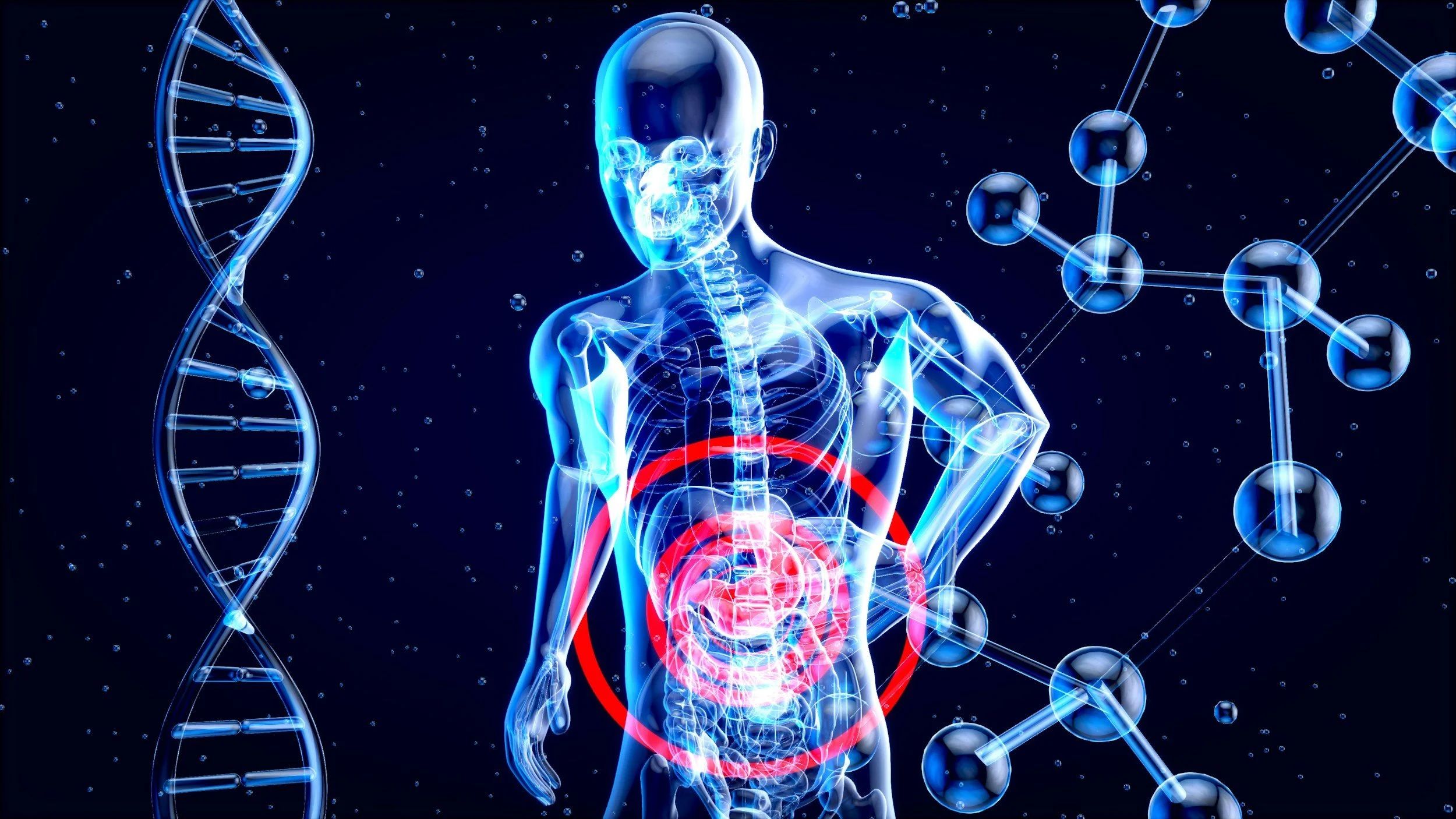
So what’s the secret? These medications basically act like your body’s “I’m full” signal on overdrive. They mimic a natural hormone called GLP-1, which helps slow digestion, regulate blood sugar, and calm cravings.
Translation: you feel fuller longer, snack attacks become less intense, and the constant mental obsession with food gets quieter. Many users describe it as finally being able to think about something other than their next meal. Some researchers even think these medications may help reduce addictive behaviors like excessive drinking or compulsive gambling because they affect the brain’s reward system. Wild, right?

What makes this whole thing even crazier is how much better these newer medications work compared to older weight loss drugs.
In the past, losing 5–10% of body weight was considered a huge success. Now, people using newer GLP-1 medications are often losing 15–20% or more when paired with healthy lifestyle changes. Even newer drugs currently being developed are showing results that almost sound made up. We’re talking about medications that could rival some forms of weight loss surgery. Fitness and health experts are basically watching a major shift happen in real time.
But before anyone throws their dumbbells in the trash and declares cardio officially dead, here’s the truth: these medications work best alongside healthy habits—not instead of them. Think of GLP-1s like turning down the difficulty setting on a video game. You still have to play, but suddenly the game feels way less impossible. When cravings are lower and energy improves, people often find it easier to exercise consistently, prioritize protein, and eat more fruits and vegetables without feeling miserable. That’s where the real magic happens.

Of course, it’s not all smooth sailing. Some people deal with nausea, constipation, or stomach discomfort while adjusting to the medication.
There’s also another big concern fitness professionals are talking about: muscle loss. When people lose weight quickly, some of that weight can come from muscle instead of just fat. That’s why strength training is becoming the ultimate sidekick to medications like Ozempic. Lifting weights, eating enough protein, and staying active can help protect muscle while the body drops fat—basically helping people look and feel stronger instead of just smaller.
At the end of the day, GLP-1 medications aren’t some magical shortcut replacing healthy living. They’re more like a powerful tool that can help people finally build momentum after years of struggling. The people who see the best long-term results are the ones who use that momentum to create sustainable habits they can stick with for life. Because whether it’s Ozempic, strength training, meal prep, walking more, or finally drinking enough water, the future of fitness isn’t about perfection anymore—it’s about finding tools that actually help real people succeed.