

Thanksgiving is a time to enjoy good food, spend time with family, and appreciate the things we're grateful for. However, it's also a holiday when many people find themselves eating well beyond the point of satisfaction.
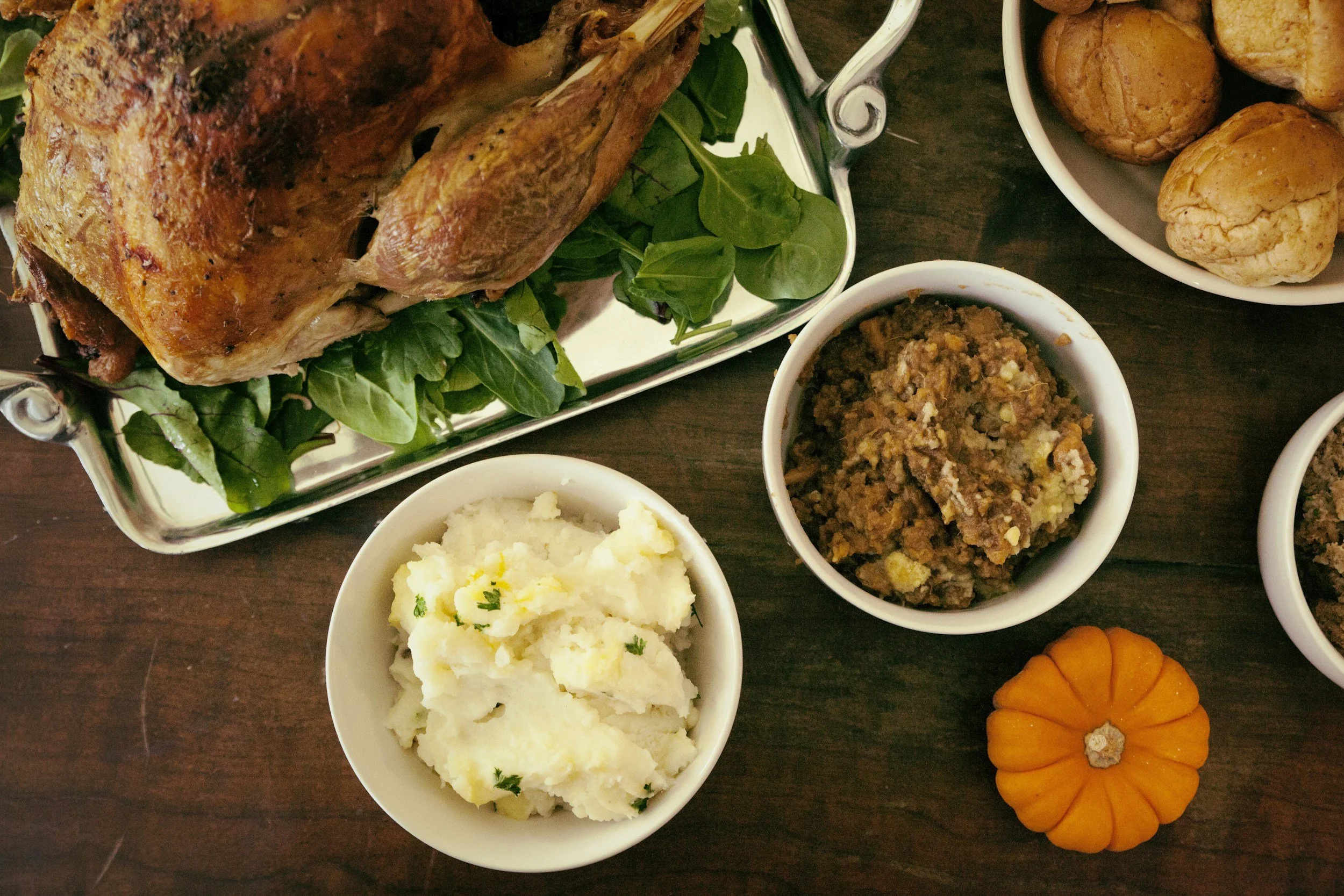
Between the turkey, mashed potatoes, stuffing, casseroles, and desserts, it's easy to consume more food than our bodies actually need. If you're working toward a weight loss or fitness goal, that doesn't mean you need to avoid your favorite Thanksgiving dishes or feel guilty about enjoying them.
Instead, I encourage you to practice a simple nutrition habit that can make a big difference: eating until you're about 80% full.
Eating until 80% full simply means stopping when you feel comfortably satisfied rather than completely stuffed. You're no longer hungry, but you also don't feel uncomfortable or overly full. This approach can be particularly useful during Thanksgiving because it allows you to enjoy the foods you love while remaining mindful of how much you're eating.
The idea isn't to measure your fullness with perfect accuracy. It's about slowing down, recognizing your body's hunger and fullness signals, and understanding that you don't have to finish everything on your plate to enjoy a satisfying meal.
Over time, this habit can help you naturally manage your calorie intake without constantly tracking calories or restricting certain foods.
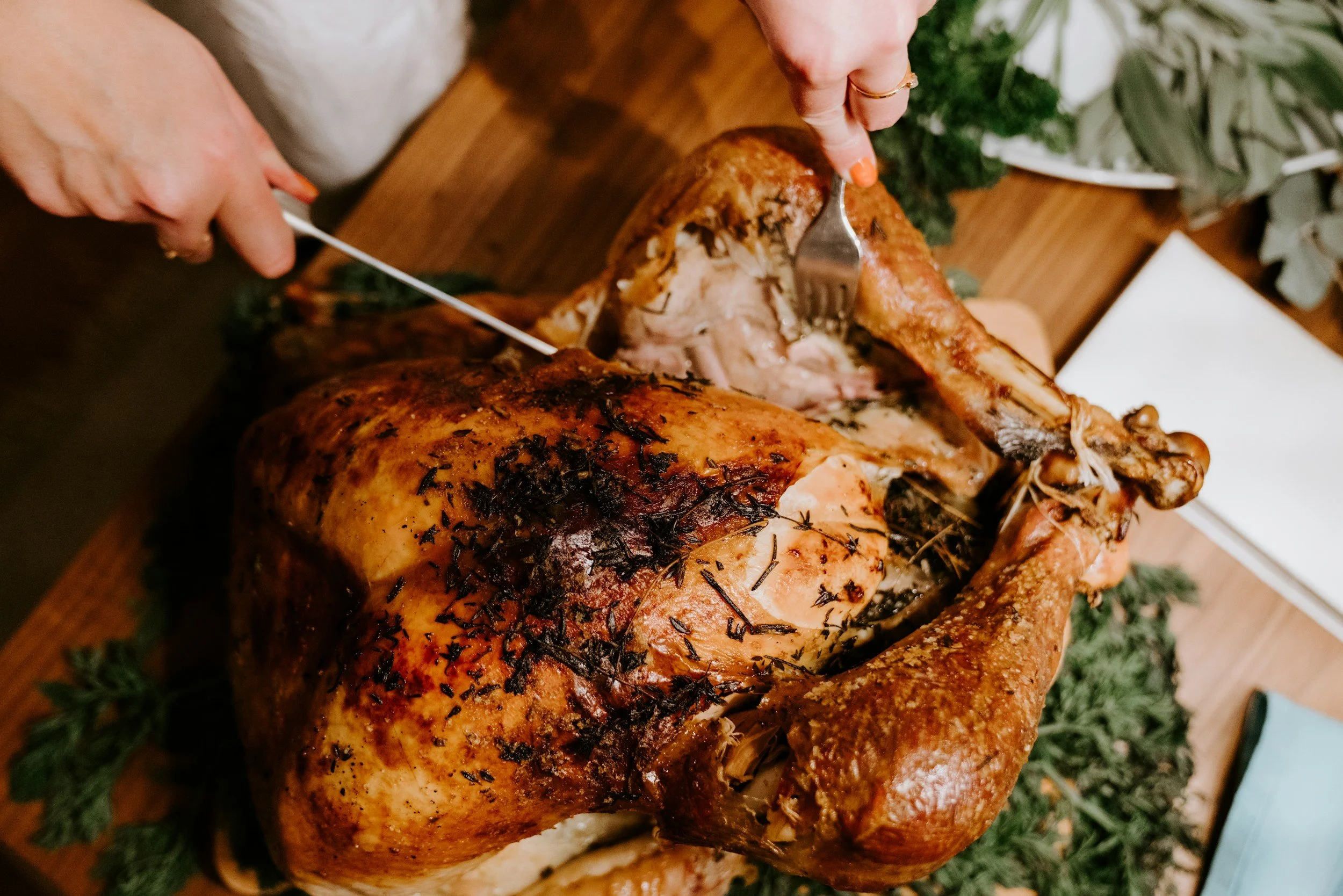
One of the biggest challenges during holiday meals is that we often eat for reasons beyond physical hunger. Maybe the food tastes great, someone encourages you to grab another serving, or you simply feel obligated to try everything that's been prepared. These situations make it easy to ignore your body's signals that you've already had enough.
This Thanksgiving, try building your plate with reasonable portions of your favorite foods, eating slowly, and taking a moment halfway through your meal to assess how you're feeling.
Ask yourself, "Am I still hungry, or am I continuing to eat because the food is available?"
You can always go back for more if you're genuinely hungry. The goal is to make intentional decisions rather than eating out of habit.
Most importantly, remember that one Thanksgiving meal isn't going to make or break your progress.
Your long-term health and fitness results are determined by the habits you consistently practice throughout the year, not what happens during one holiday. Enjoy the turkey, have some stuffing, and don't feel guilty about a slice of pumpkin pie. Just be mindful of your portions and how your body feels throughout the meal. Learning to eat until you're comfortably satisfied is a skill that extends far beyond Thanksgiving and can help you develop a healthier, more sustainable relationship with food.