

GLP-1 Nutrition: Less Hunger, Same Fundamentals
If you're taking a GLP-1 medication, you've probably noticed that your relationship with food has changed.
Maybe you're simply not as hungry, you get full after a few bites, or foods you used to enjoy—especially heavy or greasy foods—don't sound as appealing anymore.
For someone who has struggled with cravings or overeating, this can feel like a huge relief. But as your coach, I want you to remember one important thing:
Less hunger doesn't automatically mean you need less nutrition.

When your appetite drops, you're naturally eating less food, which means we have less room for nutritional gaps. You may be eating significantly fewer calories without intentionally restricting, so the quality of the food you choose becomes even more important.
Instead of asking, "How little can I eat?" I want you asking, "How can I get the most nutrition out of the food I can comfortably eat?" That's where we focus on nutrient-dense foods such as lean proteins, fruits, vegetables, whole grains, dairy or fortified alternatives, beans, nuts, and seeds.
One of my biggest priorities with clients taking GLP-1s is protein.
When you're eating less overall, protein intake can easily fall too low. During weight loss, our goal isn't simply to make the number on the scale decrease—we want to maintain as much muscle, strength, and physical function as possible.
A common target for active weight loss is around 1.2–1.6 grams of protein per kilogram of body weight per day.
For someone weighing 200 pounds, that's roughly 110–150 grams per day. You don't have to hit that number perfectly every day, but we want to consistently work toward it.
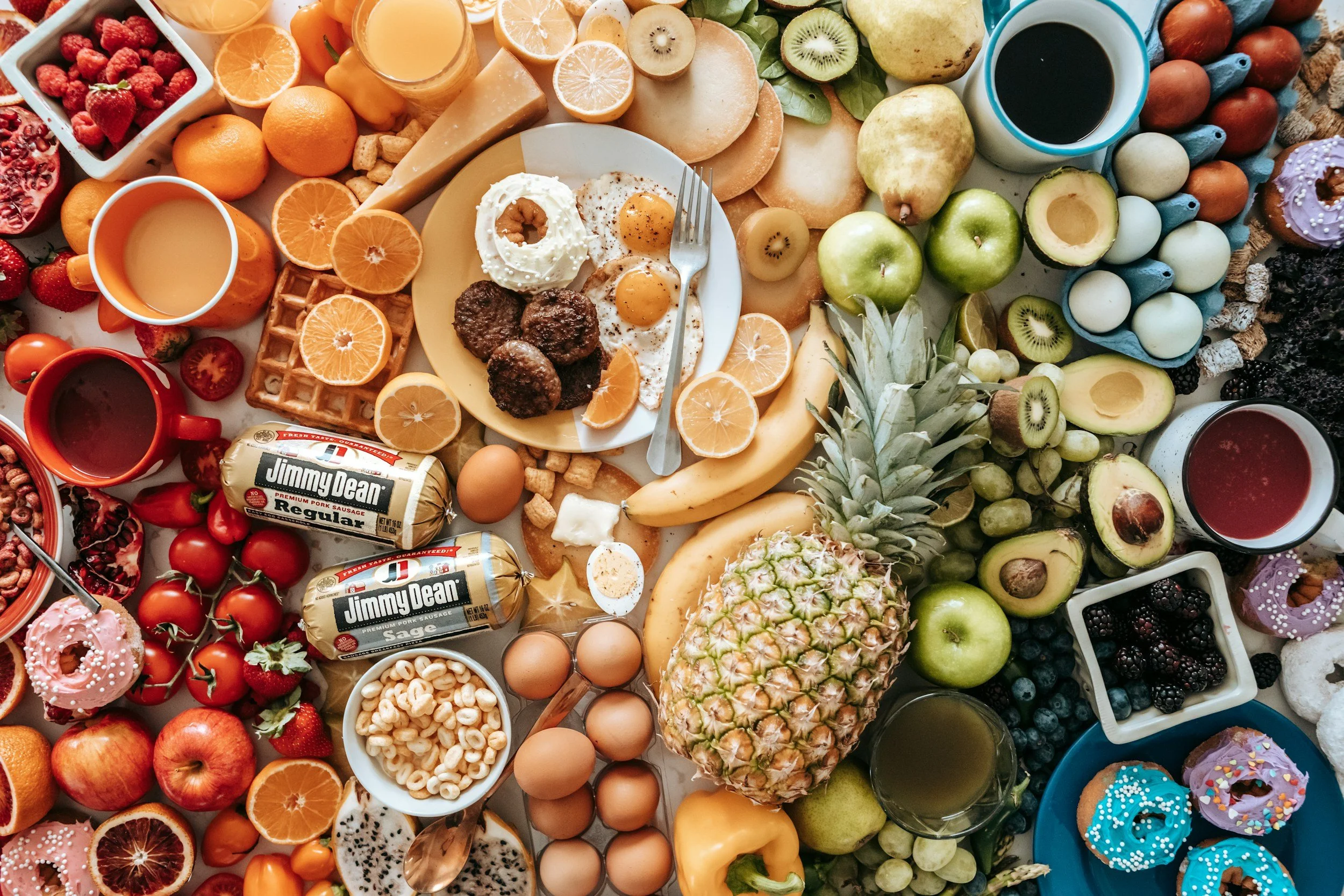
I also want you paying attention to the nutritional quality of the smaller amount of food you're eating. Important nutrients such as vitamin D, calcium, iron, B12, folate, and fiber can be harder to get when overall food intake drops.
That doesn't mean you're automatically deficient, but it does mean we need to be intentional.
Build meals around protein, fruits and vegetables, fiber-rich carbohydrates, healthy fats, and other nutrient-dense foods. A basic multivitamin may also be worth discussing with your healthcare provider, particularly if your food intake is very limited.
Your appetite and digestive system may also require us to change how you eat. If large meals make you uncomfortable, don't force yourself to eat them. Smaller meals, slower eating, adequate fluids, and foods that you tolerate well can make a big difference.
If you're struggling to get enough protein from food, a protein shake can be a practical option. And if you're experiencing persistent nausea, constipation, diarrhea, reflux, or other significant symptoms, that's something to discuss with your healthcare provider.
Most importantly, we're going to work with your appetite rather than fight it.
The goal isn't to see how little food you can survive on or how quickly you can lose weight. The goal is to use the reduced appetite as an opportunity to improve the quality of your nutrition while protecting your muscle, strength, and overall health.
The GLP-1 can help with appetite control, but it doesn't replace the fundamentals of good nutrition, exercise, hydration, and healthy habits.
Think of the medication as a tool, not the entire plan. We're still going to focus on getting enough protein, eating nutrient-dense foods, staying hydrated, getting adequate fiber, and maintaining your strength and muscle.

Less hunger. Less food. But not less nutrition.
That's the approach I want you to take while we're working together.