

Week 4:
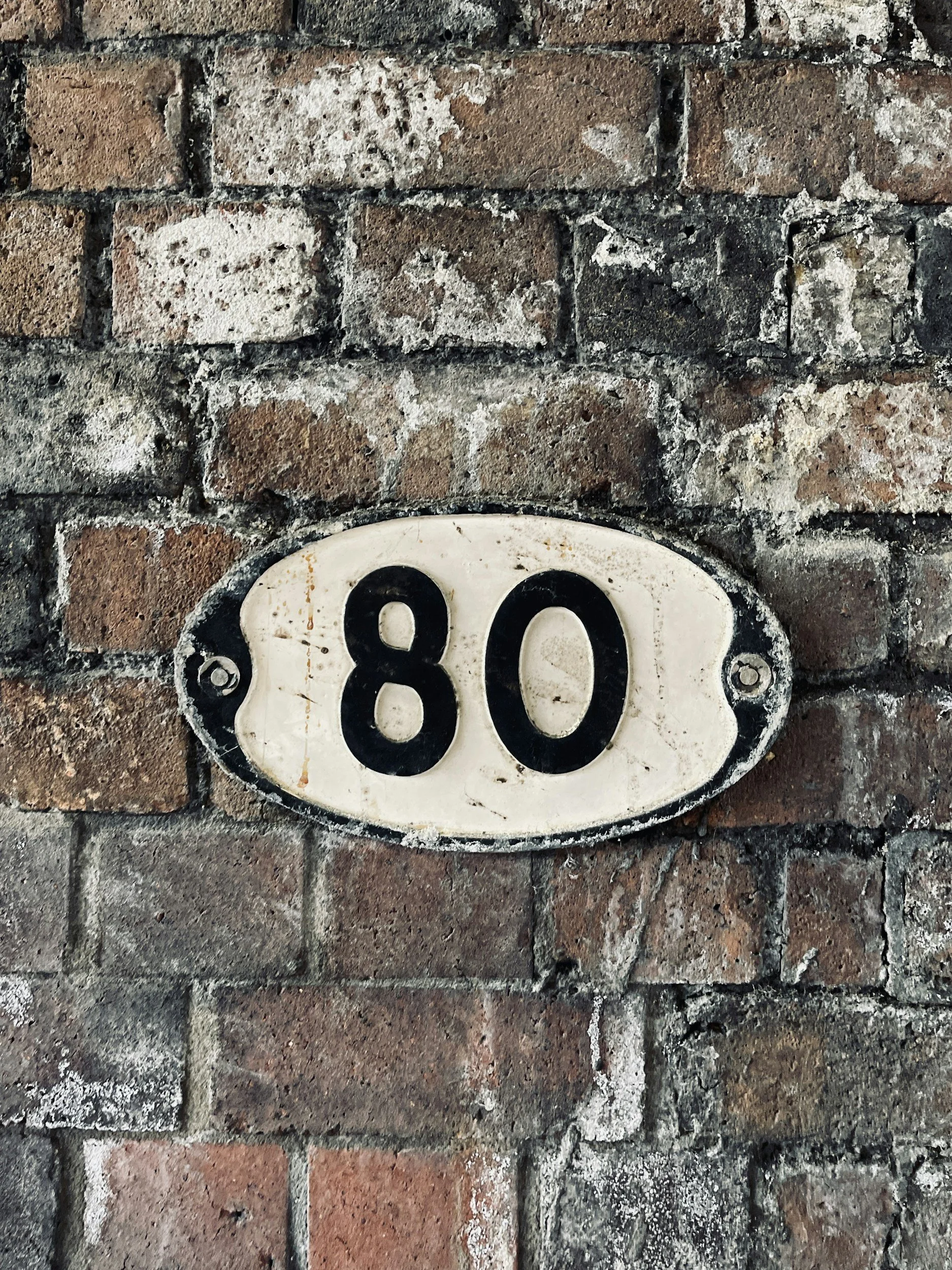
“Eat Until 80% Fullness”
“Eat Regular Meals”

Awareness Task: Eat Until 80% Fullness
Out of all the strategies that you have learned so far, this will be the most beneficial to grasp. You can apply it to any scenario you are in: at restaurants, at home, snacking, eating dinner, etc. You are always able to tap into your 80% fullness reference.
What helps you chill out, feel more satisfied at meals, and sustainably lose fat?
The practice of eating to about 80 percent full.
Eating to 80 percent full means you stop eating when you’re just satisfied. Not still hungry, but not stuffed or even completely full. It’s about feeling content, with a little room left over.
It takes about 20 minutes for your gut to signal to your brain that you are satisfied. Eating until you are 80% full and pausing for a few minutes allows your gut time to signal to your brain that you have eaten enough. You will have to learn what your 80% fullness feels like to this will take some practice. Start by taking a few less bites than you normally would at each meal, give yourself 10-15 minutes to allow your gut to signal to your brain how much you have eaten, and adjust accordingly. If you find that you are still hungry after the 10-15 minutes then you most likely did not reach your true 80%. If you find that you are stuffed and bloated after the 10-15 minutes, then you know you went a little above the 80%.
Cultures around the world have been using this strategy for centuries. Japan most famously (which has one of the lowest rates of obesity) has an ancient proverb “hari hachi bu” that dictates that you should always leave your belly 80 percent full after a meal. In other words, you should always leave food on the table! It is considered bad practice to eat all of your food. That is very different from our culture here which is why this may take some getting used to. Be patient with yourself. You will master this one over the next few days and weeks.


Coach Alan’s Tip!
“Experiment a bit with this one. It will take some time to determine what your 80% feels like.”
Physical Task: Eat Regular Meals
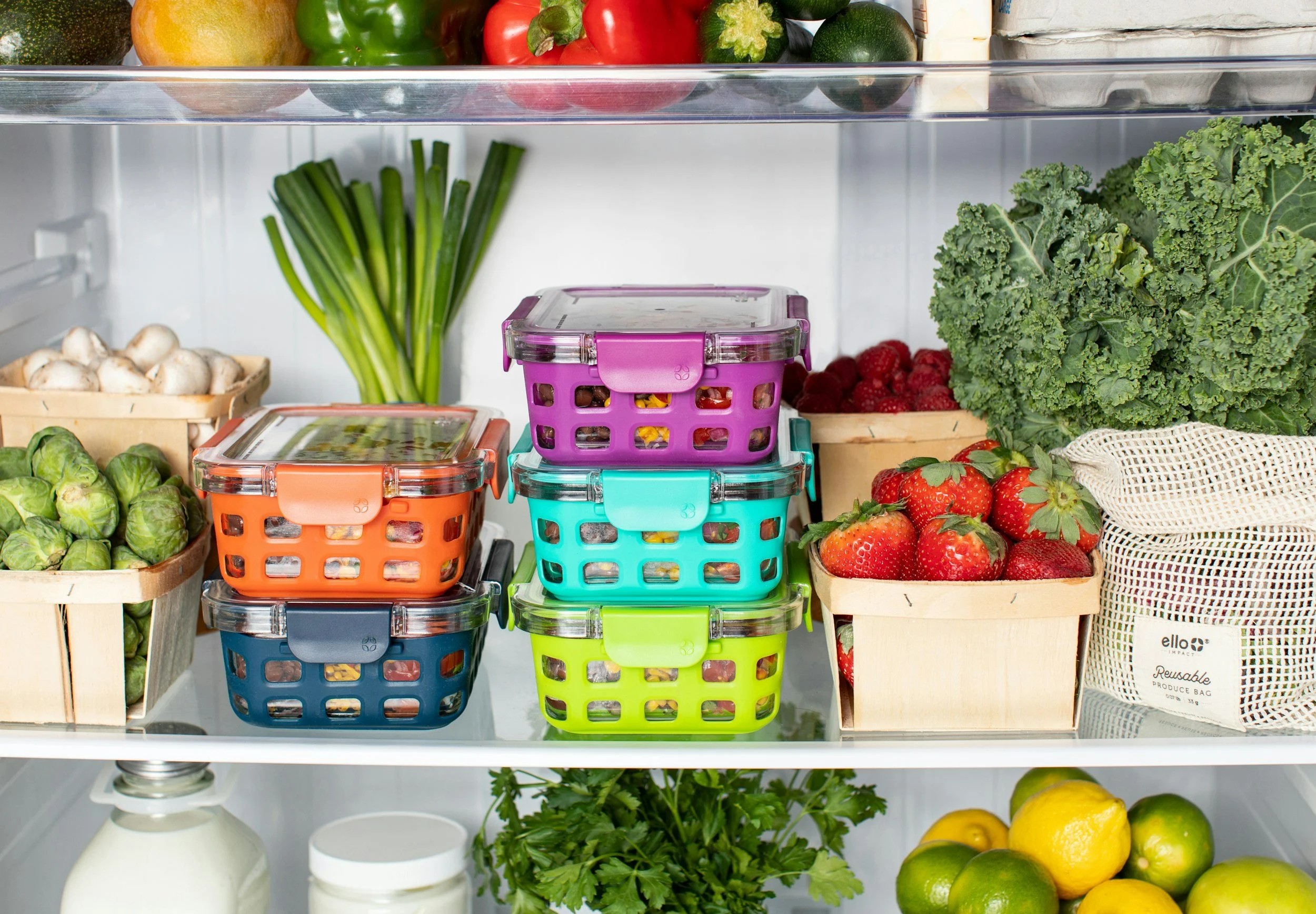
Practicing healthy eating behaviors involves creating a rhythm of daily eating that can become second nature. A lot of us already have a rhythm but maybe the rhythm isn’t structured appropriately for helping you reach your goals. That is where building a balanced meal consistently throughout the day and meal prepping can come in handy.
Practice planning and preparing healthy food in advance.
This makes healthy eating convenient and easy.
It also makes decisions easier: You don’t have to make a choice when you’re rushed and hangry.
Your food prep ritual can include:
shopping (or arranging to have food delivered)
menu and meal planning
washing and chopping vegetables
cooking/preparing protein (e.g. cooking up some chicken breasts)
cooking meals in bulk (e.g. casseroles, soups, stews, chili)
soaking grains/beans beforehand so that they’ll be ready to cook later
sorting foods into smaller containers or baggies
freezing and refrigerating food for later
planning healthy meals that someone else cooks (e.g. using a meal delivery service, deciding in advance what to order at a restaurant, etc.)
looking ahead to ensure healthy eating strategies during the next few days, especially during difficult times (e.g. a busy week, traveling, dealing with a family crisis, etc.)
Mix and match any of these to find what works for you.
Experiment with systems, skills and strategies that work for YOU and YOUR life.

Coach Alan’s Tip!
“Find a routine of planning, preparing, and eating your meals at regular intervals throughout the day and week that match your lifestyle and work/home schedule.”
Congratulations! You have finished the program!
Still have questions or feel stuck on some of the strategies you learned in this 4-week program? That is ok! I am here to guide you further. Just reach out to me in the next 24 hours with the button that says “Let’s Chat.”